|
|
SPEAKERS INFO
|
|
|
 |
Ramón Álvarez Puebla (URV/ICREA, Spain)
Ramón Álvarez Puebla is an ICREA Research Professor at the Universitat Rovira i Virgili and the Center for Chemical Technology of Catalonia, both in Tarragona. He studied Chemistry at the Universidad de Navarra and got his PhD from the Universidad Pública de Navarra in Surface Science. In 2004 he joined the group of Ricardo Aroca at the University of Windsor (Canada) where he remained in a cross appointment with the General Motors Research and Development center until the end of 2005. In 2006, Dr Álvarez was promoted to Research Officer at the National Center for Nanotechnology (NINT) belonging to the National Research Council of Canada. In 2008 he moved to Spain at the Universidad de Vigo, Spain. He joined ICREA in October of 2012.
|
| MORE INFO |
|
|
|
 |
Elena Del Corro (ICN2, Spain)
Elena del Corro holds a PhD in Chemistry from the Complutense University of Madrid. She joined ICN2 in 2016 and is currently Team Leader in the group led by Prof. Jose A. Garrido. Her research focuses on the development of biomedical devices based on two-dimensional materials, such as graphene. Through her ERC Consolidator Grant TRIBOMED, she is currently developing triboelectric devices for the development of energy-autonomous neural interfaces.
|
| MORE INFO |
|
|
|
 |
M.-Carmen Estévez (ICN2, Spain)
Dr. M.-Carmen Estevez (PhD in Chemistry by the University of Barcelona) is a CSIC Tenure Scientist at the Catalan Institute of Nanoscience and Nanotechnology (ICN2) at the Nanobiosensors and Bioanalytical Applications group (since 2009). She is a pivotal member of the research group, with a contrasted expertise in the technological development of nanoplasmonic biosensors and their transfer to real biosensing applications in the clinical and environmental field. She has made key contributions to the design and fabrication of novel biosensor devices and sensing biochips. She is involved in the development of new metallic nanostructures incorporating improved fabrication strategies, and optimized new optical designs and components integration to push forward the miniaturization of these devices into point-of-care (POC) platforms with enhanced performance for real applications. She has led the demonstration of the viability of the developed biosensors for real clinical, industrial, and/or environmental applications, aiming at transferring them to decentralized settings.
|
| MORE INFO |
|
|
|
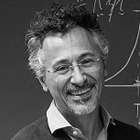 |
Giancarlo Franzese (Universitat de Barcelona, Spain)
Giancarlo Franzese is a Full Professor of Condensed Matter Physics at the University of Barcelona, and leader of the Statistical Physics of Bio-Nano Complex Matter group at the Institute of Nanoscience and Nanotechnology (IN2UB). Holding a Ph.D. in Physics, he has a career spanning foundational statistical mechanics, complex systems, anomalous liquids, hydration, and multiscale modeling for biological physics. His research has been recognized with international distinctions, including the Max Planck Society’s Martin Gutzwiller Fellowship, the ICREA Academia Award, and the Royal Society of Chemistry Emerging Investigator Award. He has authored more than 120 peer-reviewed papers and delivered more than 160 invited talks worldwide.
|
| MORE INFO |
|
|
|
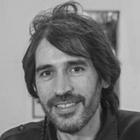 |
Anton Guimerà Brunet (IMB-CNM/CSIC, Spain)
Anton Guimerà‑Brunet is Lead of the Advanced Neural Interfaces line at the Institute of Microelectronics of Barcelona (IMB‑CNM, CSIC) and of the Biomonitoring Group at CIBER‑BBN. His research focuses on the development of graphene‑based neural interfaces, particularly graphene solution‑gated field‑effect transistors (gSGFETs) for high‑resolution, full‑bandwidth brain activity recording. He has contributed significantly to the advancement and in vivo validation of flexible graphene microtransistor arrays for neuroscience. He is also co‑founder of INBRAIN Neuroelectronics, supporting the translation of graphene neurotechnologies toward clinical use. His work bridges materials science, neural engineering, and translational neurotechnology, with the goal of enabling next-generation diagnostic and therapeutic tools for brain disorders.
|
| MORE INFO |
|
|
|
 |
Marcelo Kogan (University of Chile, Chile)
Prof. Dr. Marcelo J. Kogan was born in Buenos Aires. He is a professor in the Department of Pharmacology and Toxicology at the School of Pharmacy of the University of Chile and a principal investigator at the Advanced Center for Chronic Diseases (ACCDiS). He is the Director of the Academic Development Department at the Faculty of Pharmaceutical Sciences of the University of Chile. He is the Director of the Laboratory of NANOMEDICINE AND NANOTHERANOSTICS. He is a biochemist and pharmacist from the University of Buenos Aires and holds a PhD in Organic Chemistry from the same university. He completed his postdoctoral research at the Institut of Biomedical Research Barcelona in the field of peptides. His interests focus on applications of nanobiomaterials and peptides in biomedicine for diagnosing and treating chronic diseases, including drug delivery, Alzheimer's, cancer, and cardiovascular diseases. He is a pioneer in using nanoparticles to disaggregate amyloids. He has a record of 250 WOS publications and an h-factor of 59.
|
| MORE INFO |
|
|
|
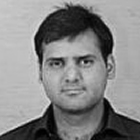 |
Raj Kumar (University of Petroleum and Energy Studies (UPES), India)
Dr. Raj Kumar is an Assistant Professor in the School of Health Sciences and Technology at UPES, Dehradun, India, with extensive expertise in nanotechnology, biomaterials, drug delivery systems, and tissue engineering. His research focuses on the development of advanced nanobiomaterials and their translational applications in biomedical engineering, particularly in targeted drug delivery, nanomedicine, and tissue engineering.
Dr. Kumar earned his Ph.D. from the Indian Institute of Technology (IIT) Mandi, where his work centered on nanoparticle-based drug delivery and nanocrystallization techniques. He has held prestigious postdoctoral positions at leading international institutions, including Bar-Ilan University (Israel), the University of Nebraska Medical Center (USA), and the University of Texas at El Paso (USA), where he worked on cutting-edge areas such as polymeric nanocarriers, siRNA delivery, photothermal therapy, and nanomaterials for neural tissue engineering.
Dr. Kumar has been recognized with several prestigious fellowships and research grants. He was awarded the Junior Research Fellowship (Dec 2010 and June 2011) by the University Grants Commission (UGC), the National Postdoctoral Fellowship (2017) by the Anusandhan National Research Foundation (ANRF), and the PBC Postdoctoral Fellowship (2017) by the Council of Higher Education, Israel. More recently, he has been awarded the Prime Minister Early Career Research Grant (PM-ECRG) 2025 by ANRF, highlighting his continued excellence and leadership in research.
With over 80 international publications, including numerous papers in high-impact Q1 journals, Dr. Kumar has made significant contributions to the fields of nanomedicine and biomaterials. He has received widespread recognition for his research excellence, including being listed among the World’s Top 2% Scientists by Stanford University (2020–2024) and selection as a Young Scientist at the Lindau Nobel Laureate Meeting (2022).
His research portfolio also includes multiple US patents focused on advanced therapeutic delivery systems, particularly for cancer treatment. Dr. Kumar actively collaborates with leading researchers and institutions worldwide and serves as a reviewer for over 50 international journals, contributing to the advancement of scientific knowledge in nanotechnology and biomedical sciences.
At the NanoBioMed Research Lab, Dr. Kumar leads interdisciplinary research aimed at developing innovative, efficient, and clinically relevant solutions to address pressing healthcare challenges, with a strong emphasis on bridging fundamental research and real-world biomedical applications.
|
| MORE INFO |
|
|
|
 |
Andreia Magalhães (INL, Portugal)
Andreia Patrícia Magalhães is currently a Marie Skłodowska-Curie Postdoctoral Fellow at the International Iberian Nanotechnology Laboratory (INL), Portugal, where she leads the MultiTheranostic project. She obtained her PhD in Chemical and Biological Engineering from the University of Minho in 2022, focusing on microbial interactions in dual-species biofilms associated with cystic fibrosis lung infections and their effects on bacterial behaviour and antibiotic susceptibility. In 2023, she moved into cancer nanomedicine, focusing on magnetic nanomaterials for drug and gene delivery in cancer therapy, alongside the development of three-dimensional tumour models and tumour-on-chip platforms to investigate their biological effects and therapeutic potential. In 2026, she completed a six-month secondment at the Institute for Bioengineering of Catalonia (IBEC), Spain, working on tissue- engineered tumour models and tumour-on-chip platforms. She has participated in four R&D projects, leading one, and authored 16 peer-reviewed articles, including nine as first author (over 321 citations; h-index: 9). She has supervised two BSc students, one MSc student and two PhD students, and mentored six students and research trainees, including international students. She also serves as Associate Director of INL’s Cell Culture Laboratory.
|
| MORE INFO |
|
|
|
 |
Lluis Marsal (URV, Spain)
Lluís F. Marsal is a Full Professor and Distinguished Professor at the Department of Electronic, Electric and Automatic Engineering of the Universitat Rovira i Virgili, Spain. He obtained his Ph.D. degree in Physics in 1997 from the Universitat Politècnica de Catalunya, Spain. Between 1998 and 1999, he was a postdoctoral researcher at the Department of Electrical and Computer Engineering, University of Waterloo, Ontario, Canada. In 2012, he received the URV's RQR Award for quality in research and in 2014, he received a 2014 UniSA Distinguished Researcher Award from the University of South Australia (UniSA) and the ICREA Academia Award from the Generalitat of Catalunya. Since 2013, he is the Chair of Spain Chapter of the IEEE Electron Devices Society. He is a senior member of the Institute of Electrical and Electronics Engineers (IEEE) and of the Optical Society of America (OSA) and also an active member of the Electrochemical Society (ECS). Dr. Marsal serves as a member of the Distinguished Lecturer program of the Electron Devices Society (EDS-IEEE) He has been member of advisory and technical committees in several international and national conferences and has been visiting professor at several universities and research institutions (CINVESTAV - Instituto Politécnico Nacional, McMaster University, University of South Australia, CIC biomaGUNE, CSIC, etc. He has co-authored more than 200 publications in international refereed journals, two books, five book chapters and holds three patents. He has presented over 30 invited lectures in international conferences and has participated in over than 80 national and international projects. His current research interests mainly focus on low–cost technologies based on micro- and nanoporous silicon and nanoporous alumina for biomedical applications and optical biosensing platforms. He is also interested in organic and hybrid nanostructured materials to enhance light-matter interactions for optoelectronic devices.
|
| MORE INFO |
|
|
|
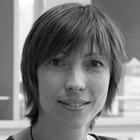 |
Cecilia Menard-Moyon (IBMC-CNRS, France)
Dr. Cécilia Ménard-Moyon is Senior Researcher at CNRS since 2008 in the Laboratory of Immunology, Immunopathology and Therapeutic Chemistry at the Institute of Molecular and Cellular Biology in Strasbourg, France. Her research interests are focused on the functionalization of different types of inorganic nanoparticles and carbon-based nanomaterials for biomedical applications (treatment of cancer and autoimmune diseases, antibacterial applications), the self-assembly of amino acid derivatives and peptides, and the formation of hydrogels for on-demand drug delivery. She has published ~ 120 articles and she is the coordinator of the Horizon Europe Marie Skłodowska-Curie Actions Doctoral Networks “Melomanes” (https://melomanes.eu/) project (2023-27) on the synthesis of multifunctional magnetic nanoparticles for combination therapy to treat metastatic melanoma.
|
| MORE INFO |
|
|
|
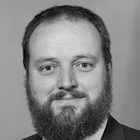 |
Jörg Opitz (Fraunhofer-Institut für Keramische Technologien und Systeme IKTS, Germany)
Jörg Opitz is Head of the Department “Bio- and Nanotechnology” and Director of the Business Division “Bio- and Medical Technology” at the Fraunhofer Institute for Ceramic Technologies and Systems IKTS in Dresden, Germany. He is also a faculty member and lecturer at Technische Universität Dresden, where he heads the group “Biohybrid Particles and Surface Engineering”. He received his PhD in Theoretical Physics from TU Dresden in 2002 and subsequently moved into interdisciplinary research at the interface of nanotechnology, materials science, and biomedicine. His research focuses on functional nanoparticles and nanodiamonds, surface engineering and bio interfaces, biosensing, smart materials and advanced biomaterials for medical applications. A particular focus of his current work is the controlled functionalization and integration of nanodiamonds into implant surfaces and functional coatings. He has coordinated and contributed to numerous interdisciplinary research projects and has extensive experience in translating nanotechnology and materials concepts into biomedical applications.
|
| MORE INFO |
|
|
|
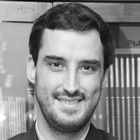 |
Artur Pinto (University of Porto, Portugal)
Artur M. Pinto is a Researcher and Lecturer at the Faculty of Engineering of the University of Porto (LEPABE-FEUP-UP), Portugal, holding a PharmD and a PhD in Biomedical Engineering. He previously carried out research and lectured at Eindhoven University of Technology (TU/e, NL), and conducted research at the University of Washington (USA). His research focuses on 2D nanomaterials, biomaterials and light-responsive platforms for cancer therapy, particularly photothermal therapy and implantable or minimally invasive therapeutic systems. He leads collaborative research projects, including collaborations with The University of Texas at Austin. His work has been published in leading journals such as ACS Nano, Small, Carbon and Acta Biomaterialia, and has attracted interest from major companies in the field as well as broad international media coverage.
|
| MORE INFO |
|
|
|
 |
Maurizio Prato (CIC biomaGUNE, Spain)
Prof. Maurizio Prato has made numerous significant scientific contributions to the field of Organic Chemistry applied to Nanosciences by enabling innovative, controlled and reproducible ways to make intractable materials, such as carbon nanotubes and graphene, useful materials for sensing, catalysis, drug delivery, as well as in neurosciences and energy-relevant technologies.
The breadth of Maurizio Prato's activity is unique, with major contributions in nanoscience, such as:
The chemical functionalization of C60 fullerene and their use in photovoltaic applications: the Prato Reaction.
Chemical functionalization and solubilisation of CNTs and their subsequent application in the fields of drug delivery, including gene delivery and immunology.
Biocompatibilization of CNTs by designed chemical functionalization.
Development of carbon nanostructures as scaffolds for neuronal growth.
Design of innovative carbon nanodots for applications in bio-imaging, sensing and catalysis.
Has published more than 700 papers on international peer reviewed Journals, with a total of around 57,000 citations and an h-index of 111. Has been invited to more than 250 conferences and workshops in the last 10-15 years as a plenary or keynote speaker, and has given more than 50 invited talks in Universities or research centers all around the world.
Director of more than 50 PhD students, 50 master theses, more than 40 postdocs and more than 25 visiting researchers.
|
| MORE INFO |
|
|
|
 |
Inma Ratera (ICMAB-CSIC, Spain)
|
| MORE INFO |
|
|
|
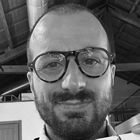 |
Giacomo Reina (Empa, Switzerland)
Giacomo Reina is a scientist at Empa, Swiss Federal Laboratories for Materials Science and Technology, working at the interface of nanomaterials, nanozymes, and translational biomedicine. His research focuses on the development of functional nanomaterials for cancer therapy, antimicrobial applications, and inflammatory diseases, with particular emphasis on photoactive nanozymes and advanced human-relevant in vitro models. He has extensive international research experience, including a JSPS Fellowship at Kyoto University and work within the Graphene Flagship in the CNRS Strasbourg. He currently leads and contributes to several national and European research projects exploring nanozyme-based therapeutic strategies. He has authored more than 45 peer-reviewed publications and is actively involved in teaching and scientific dissemination in the field of nanotechnology and nanomedicine.
|
| MORE INFO |
|
|
|
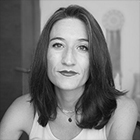 |
Paola Sánchez Moreno (University of Granada, Spain)
Dr. Paola Sánchez-Moreno is an Associate Professor in the Department of Applied Physics at the University of Granada. She studied Biology and obtained her PhD in Biomedicine in 2014. During her postdoctoral career, she worked at several Italian research institutions, including the Politecnico di Milano, the San Martino-IST National Cancer Research Institute, and the Italian Institute of Technology. In 2020, she returned to the University of Granada with a Juan de la Cierva-Incorporación research fellowship. She is a member of the Biocolloid and Fluid Physics Group and leads the BIOMIMED-Lab. Her current research focuses on the design and development of nanomaterials for biomedical applications and the study of their nano-bio interactions. Her recent work includes the development of cell membrane-coated nanoparticles for cancer applications, with a particular emphasis on glioblastoma.
|
| MORE INFO |
|
|
|
 |
Salvio Suarez (ICN2, Spain)
Dr. Salvio Suárez-García received his degree in Nanoscience and Nanotechnology (2014) and his PhD in Materials Science (2019) from the Universitat Autònoma de Barcelona (UAB). He is currently a Senior Researcher in the Nanostructured Functional Materials Group at the Catalan Institute of Nanoscience and Nanotechnology (ICN2, CSIC-BIST). His research focuses on the design and development of bioinspired polyphenol-based materials (coatings, free-standing membranes, nanoparticles and hydrogels) whose redox activity is exploited at the biointerface for biomedical and environmental applications, spanning antimicrobial solutions, cancer therapy, tissue regeneration and bioelectronics. He has co-authored more than 25 peer-reviewed publications and is co-inventor of two patent families, one of them licensed to industry. He leads several competitive research and technology-transfer projects funded by public and private agencies, teaches in master's programmes and supervises doctoral and master's theses. He is also co-founder and CTO of the ICN2-CSIC spin-off Tirecat Health.
|
| MORE INFO |
|
|
|
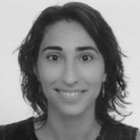 |
Núria Torras Andrés (Fraunhofer Spain Research, Spain)
Núria Torras Andrés is a Senior Researcher at Fraunhofer Spain Research Foundation with extensive experience in bioengineering, 3D bioprinting and translational biomedical research. She receiver her PhD in Engineering (2014) from Universitat Autònoma de Barcelona and has built an interdisciplinary career bridging microfabrication, biomaterials, tissue engineering and advanced biofabrication. During her research career, particularly at the Institute for Bioengineering of Catalonia (IBEC), she has led and coordinated activities within multiple national and European projects, contributing to the development of innovative bioprinting technologies, patents and industry-oriented solutions. Awarded both Juan de la Cierva (2020) and Ramón y Cajal (2025) fellowships, she has established a strong profile in scientific leadership, international collaboration and technology transfer. Her current work focuses on developing advanced bioprinted systems and organ-on-chip platforms to accelerate drug discovery, disease modelling and personalised medicine.
|
| MORE INFO |
|
|
|
 |
Ester Vázquez Fernández-Pacheco (UCLM, Spain)
Ester Vázquez obtained her Ph.D. degree from the University of Castilla-la Mancha (UCLM) in 2000. She performed her doctoral research mainly in the Microwave and Sustainable Chemistry group of UCLM, working on microwave-assisted organic reactions in dry media. She also spent a few months at the University of Zaragoza, studying silica-supported Lewis acids for catalysis and at the Karolinska Institute in Stockholm, working on microwave applications in radiolabelling tracers for positron emission tomography (PET). After finishing her Ph.D., she carried out her postdoctoral training in Trieste, Italy, working on biological applications of fullerenes and new fullerene derivatives in the group of Professor Maurizio Prato, in the frame of a European Research Training Network. She then joined the Faculty of Chemistry at UCLM in 2001, completing other short stays in Trieste in 2002 and 2003. In 2007 she received the “Ibn Wafid de Toledo” Price for young researchers of Castilla-La Mancha. She was promoted to Associate Professor in 2010, and to Full Professor in 2019. She became director of the Instituto de Investigación Científica Aplicada (IRICA) in 2017 and she is co-founder of the spin- off Biograph Solutions.
Over the past 20 years, Professor Vázquez has focused her research efforts on the functionalization and purification of carbon nanostructures using non-conventional methodologies, demonstrating how scaling-up of the modified carbon nanostructures is possible using green protocols. Her group uses microwave radiations for the activation of carbon nanostructures in solvent-free conditions, preparing multifunctional derivatives that can serve as versatile synthons in materials science and biological applications. She has also applied ball milling methodologies in dry media to shorten and functionalize carbon nanotubes, and for the preparation of graphene and other 2D materials. The ball milling approach allows the production of highly dispersed graphene in organic solvents, and it is one of the best ways of producing graphene suspensions in water, which enables, for instance, the study of interactions of graphene with living bodies and the incorporation of graphene in smart gels with applications on controlled drug delivery, tissue engineering and soft robotics. This work has permitted the collaboration with industrial partners, such as Antolin group and numerous European groups within the framework of the Graphene Flagship project.
|
| MORE INFO |
|
|
|
 |
Acelya Yilmazer (Ankara University, Turkey)
Dr. Acelya Yilmazer is working in the Biomedical Engineering Department of Ankara University – Turkey, as a full Professor. After she obtained her PhD in the Nanomedicine Lab based in the School of Pharmacy - University College London, she returned back to Turkey to establish her research laboratory. Her research group works on the preclinical evaluation of nanomaterials with specific focus on the anti-cancer and anti-viral development. She has pioneered the use of various novel 2D nanomaterials for photodynamic and photothermal therapy for cancer for the first time in literature. She has received the Best Young Investigator Award by the Turkish Society of Medical Biology and Genetics (2013), Young Investigator Award by the Turkish Academy of Sciences (2018), the Scientific Encouragement Award by the Ankara University (2019), the Young Women Scientist Award in 2023 by L'Oréal Turkey and UNESCO National Commission and the British Council Study UK Alumni Award in Science and Sustainability (2026).
|
| MORE INFO |
|
|
|
|
|
|
|
|
|